If your feet ache before the day is even halfway done, the problem might be simpler than you think. Most people blame long hours, hard floors, or age. But in many cases, the real answer is the wrong pair of socks.
Support socks are not just for hospitals or the elderly. They are for anyone who stands at work, travels on long flights, manages foot pain, or simply wants to feel comfortable from morning to night. The right pair can reduce pain, improve circulation, and make a genuine difference in your daily life.
In this guide, you will find everything you need to know about support socks for foot pain, including how they work, who needs them, what features to look for, and which Pournara options are the best fit for your needs.
Support socks are specially designed socks that use compression, cushioning, or non-binding construction to reduce foot pain, improve blood flow, and provide all-day comfort. Unlike regular socks, they are engineered with a functional purpose.
The most common type is the graduated compression sock, which applies the most pressure at the ankle and gradually decreases pressure as the sock moves up the leg. This design helps blood travel back toward the heart more efficiently, reducing swelling and fatigue.
Support socks come in several styles including graduated compression, non-binding, arch support, and cushioned support. Each type is designed for a specific type of foot condition or lifestyle need.
Support socks are useful for a wide range of people. You do not need a medical diagnosis to benefit from them.
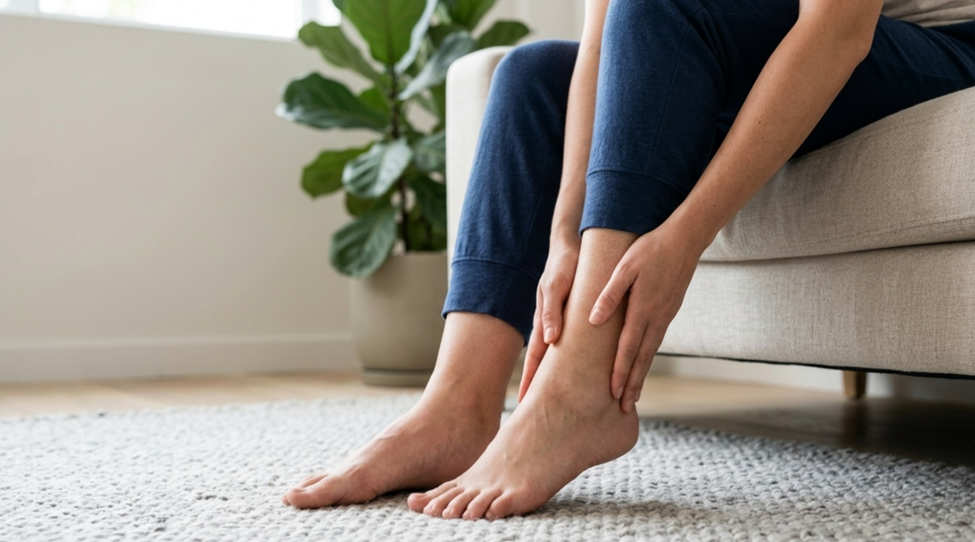
Several common foot conditions respond very well to support socks:
Nurses, teachers, retail workers, chefs, and warehouse staff spend hours on hard floors. By the end of a shift, foot fatigue and pain are common complaints. Support socks with cushioned soles and arch support can dramatically reduce end-of-day pain for anyone in a standing profession.
Sitting in a plane for hours slows circulation in the lower legs. Fluid pools in the feet and ankles, causing swelling and discomfort. Graduated compression knee-high socks worn during a flight actively counteract this effect, keeping legs feeling lighter on arrival.
Circulation naturally slows with age. Non-binding socks with a loose-top design allow seniors to benefit from gentle support without any uncomfortable pressure around the ankle or calf.
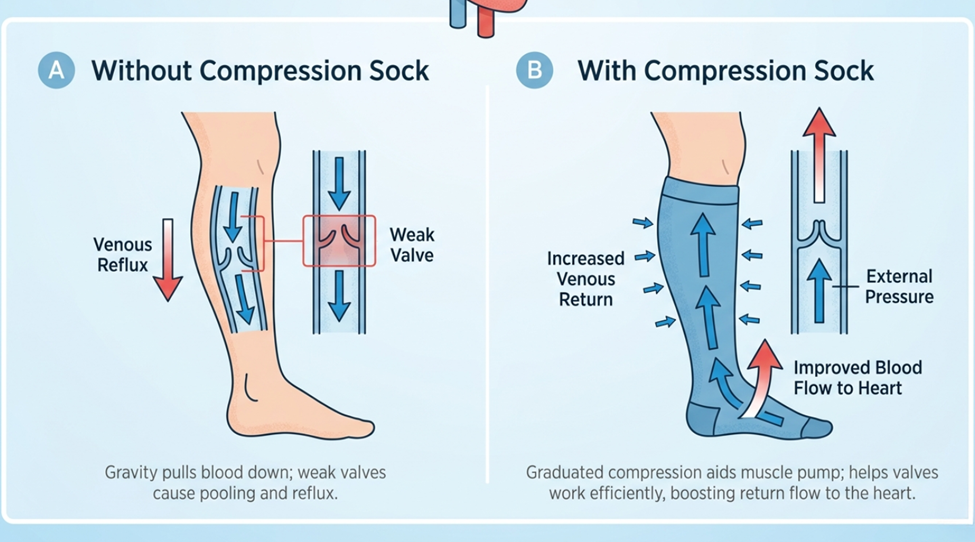
The science behind support socks is straightforward. When you stand or sit for extended periods, blood naturally pools in the lower legs and feet. The veins have to work harder to push that blood back up to the heart against gravity. This pooling causes swelling, aching, heaviness, and over time, more serious conditions like varicose veins or deep vein thrombosis.
Graduated compression socks apply firm pressure at the ankle and reduce that pressure as the sock rises up the leg. This pressure gradient acts like an external pump, helping the veins move blood upward more efficiently. The result is less fluid buildup, less swelling, and noticeably less pain.
Research supports this. Studies have found that wearing compression socks during activity can reduce lower limb volume significantly in under 30 minutes of walking. Another analysis found that compression improved venous return by over 25 percent compared to wearing no compression at all.
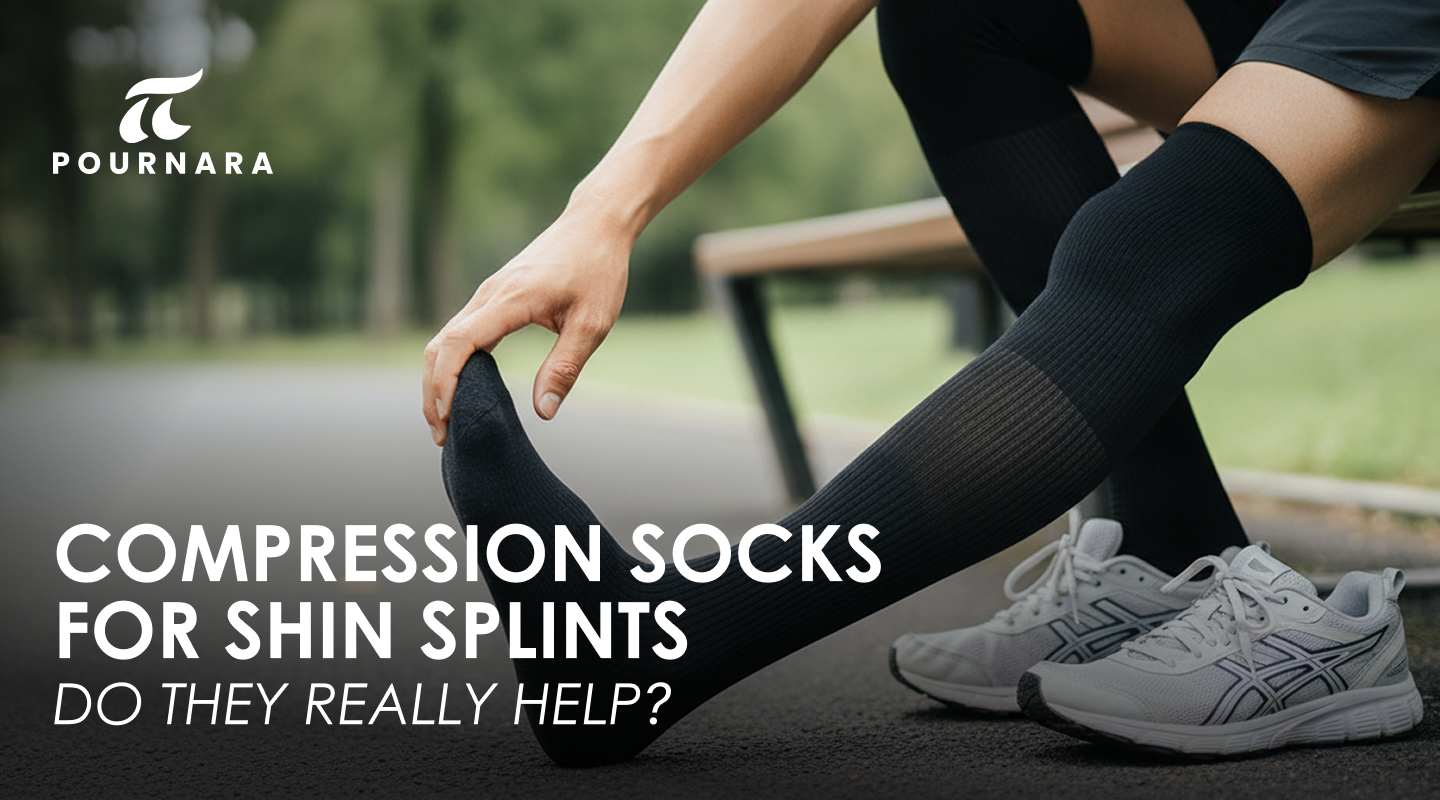
Also read: Compression Socks for Shin Splints: Do They Really Help?
Not all support socks are created equal. These are the features worth paying attention to before you buy.
This is the defining feature of a medical-grade support sock. The compression is highest at the ankle and gradually decreases up the leg. This gradient is what drives the therapeutic benefit. A sock that applies uniform pressure throughout does not achieve the same circulation benefit.
A reinforced knit zone around the arch of the foot reduces fatigue and helps distribute pressure evenly across the foot. This is particularly helpful for people with plantar fasciitis or flat feet.
Extra padding at the heel and ball of the foot absorbs the impact of walking and standing. This reduces joint stress and keeps feet more comfortable over long periods on hard surfaces.
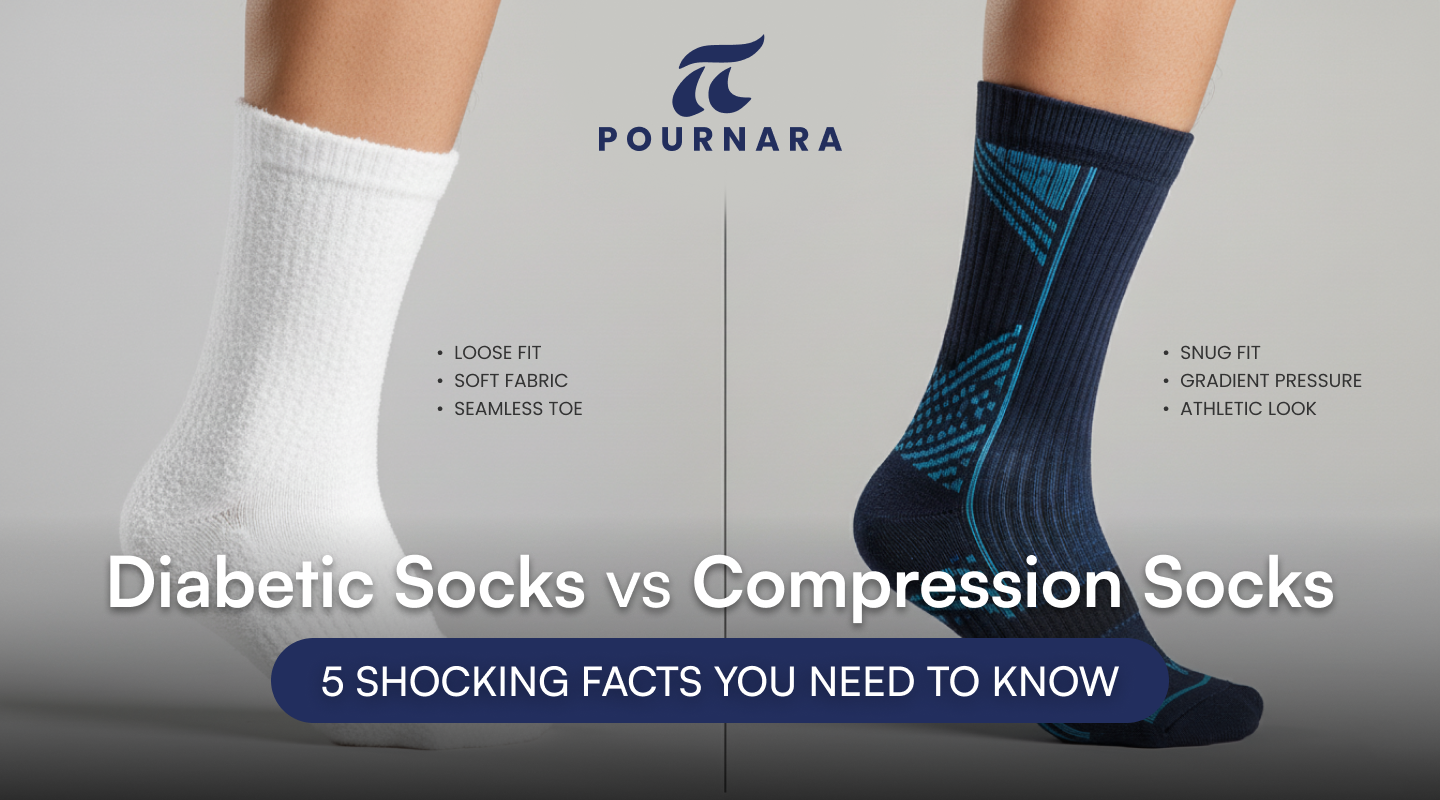
A non-binding cuff means the top of the sock has no tight elastic band. This is critical for people with diabetes, peripheral neuropathy, or sensitive circulation, as tight cuffs can restrict blood flow precisely where you least want it.
The material of a support sock matters significantly for daily comfort. Natural fibers like bamboo and Egyptian cotton are breathable, moisture-absorbing, and gentler on sensitive skin than synthetic blends. They also reduce the risk of fungal infections that can develop in warm, moist conditions inside shoes.
This is one of the most common questions people ask. The short answer is that compression socks are a type of support sock, but not all support socks are compression socks.
| Feature | Compression Socks | Support Socks (General) |
| Primary function | Graduated pressure for circulation | Cushioning, arch support, comfort |
| Pressure level | Measured in mmHg (15-30+) | No pressure measurement |
| Best for | Swelling, varicose veins, travel, DVT | Foot fatigue, daily comfort, sensitive feet |
| Medical grade | Yes, can be prescribed | Generally not medical grade |
| Pournara option | ART 4580, ART 4780 | ART 4510, ART 7200 |
When people search for support socks for foot pain, they often need either or both. The best approach is to identify your main problem first, then choose the type that addresses it directly.
Pournara has crafted premium medical and support socks in Greece since 1949. Every pair in their medical collection is designed with a specific foot need in mind, using natural fibers and tested compression levels. Here are the four options available for people in Illinois and across the USA.
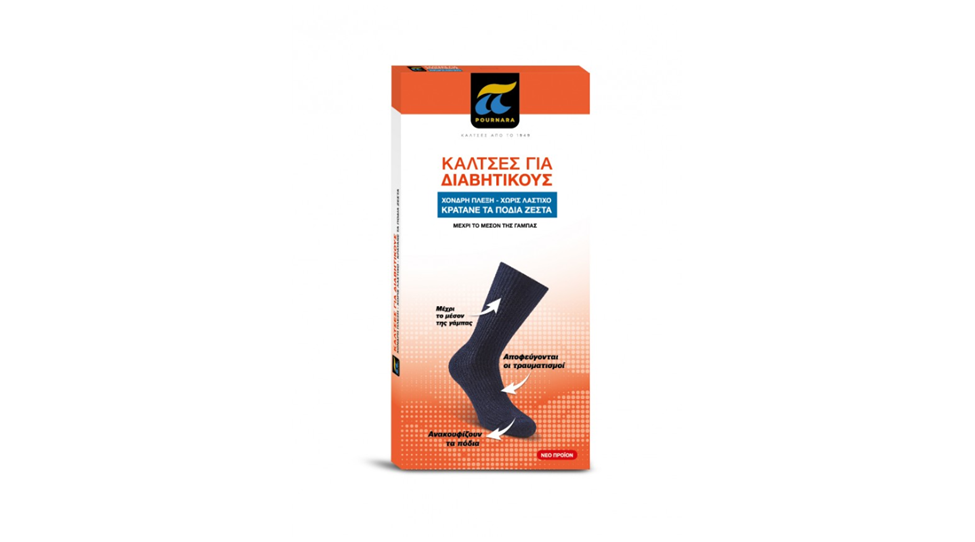
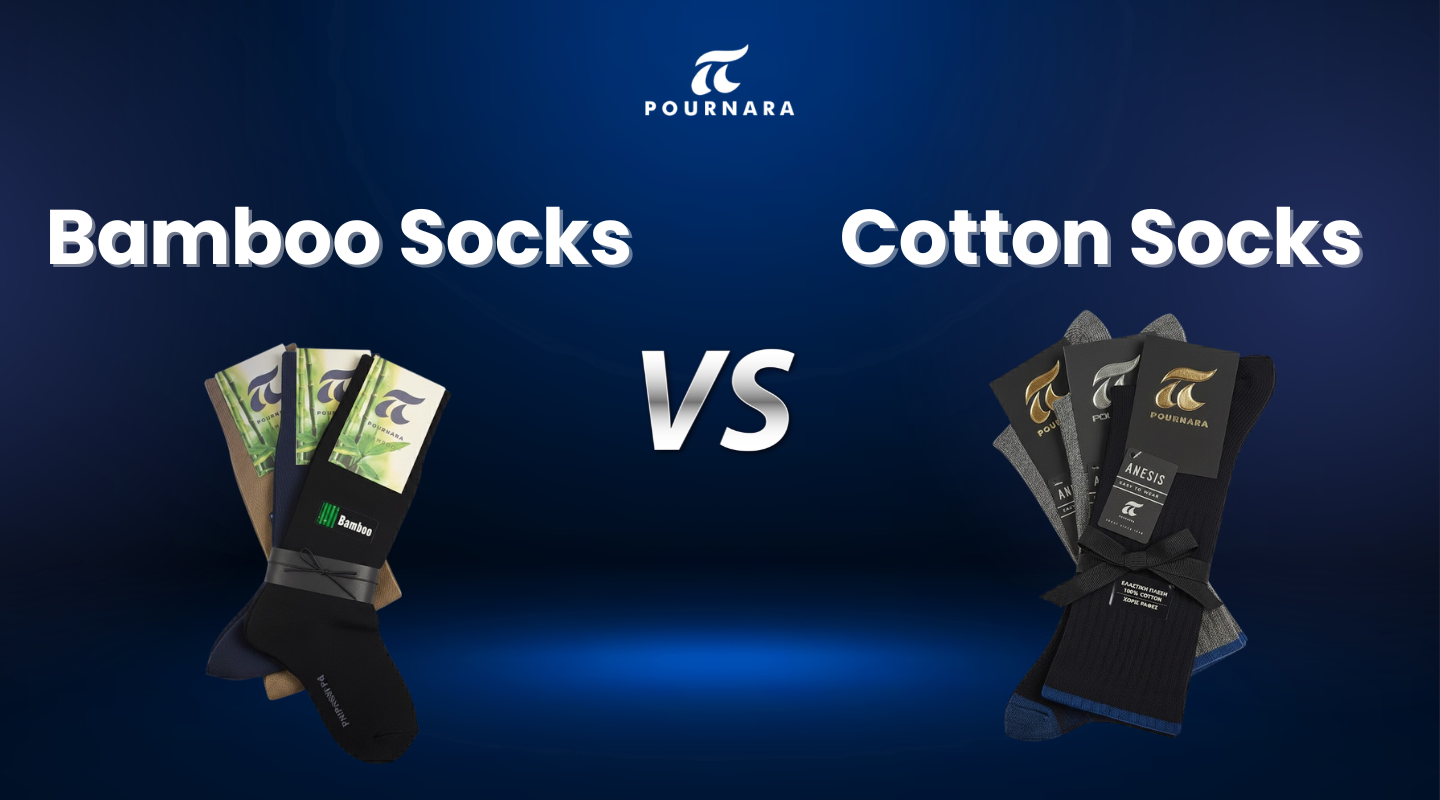
Bamboo is one of the best materials for sensitive and diabetic feet. It is naturally antibacterial, which reduces odor and the risk of fungal infections. The fiber is softer than cotton and hypoallergenic, meaning it is gentle on skin that reacts to rougher materials. If you have diabetic neuropathy or any form of skin sensitivity, the ART 4510 is the ideal starting point.
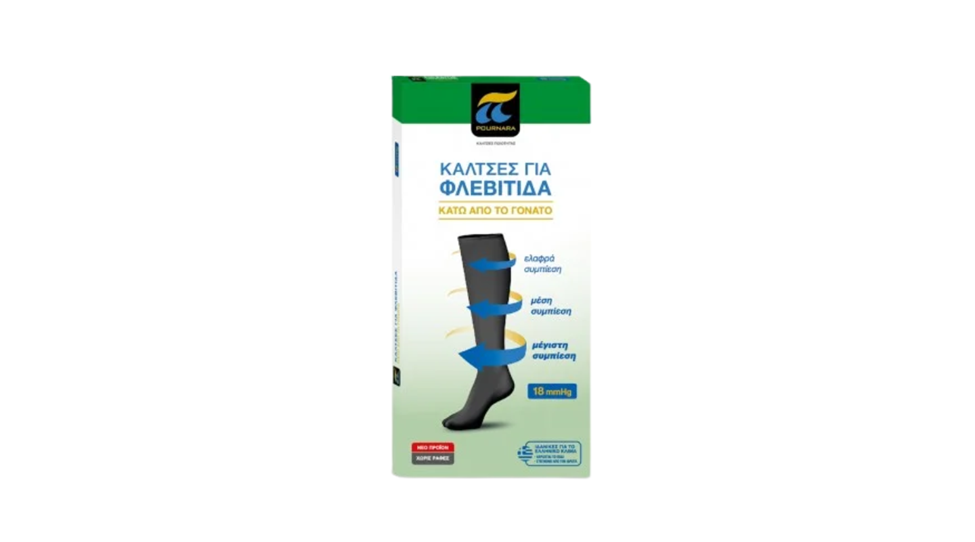
Egyptian cotton is known for its long, fine fibers that produce a soft, durable, and breathable textile. In this knee-high compression sock, it combines the therapeutic pressure of graduated compression with the natural breathability of premium cotton. The seamless construction eliminates friction points that could cause blisters during extended wear.
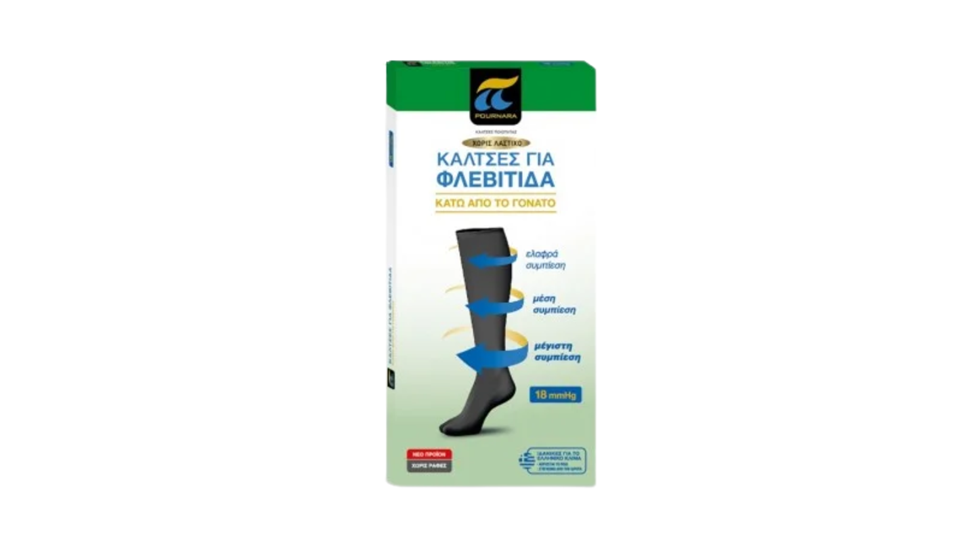
Mercerized cotton has been treated to enhance its strength, sheen, and resistance to shrinkage. This makes the ART 4780 a compression sock you can wear every day and that will hold its shape and compression level for far longer than cheaper alternatives. It sits cleanly under trousers, making it ideal for office workers who need compression without drawing attention to their footwear.
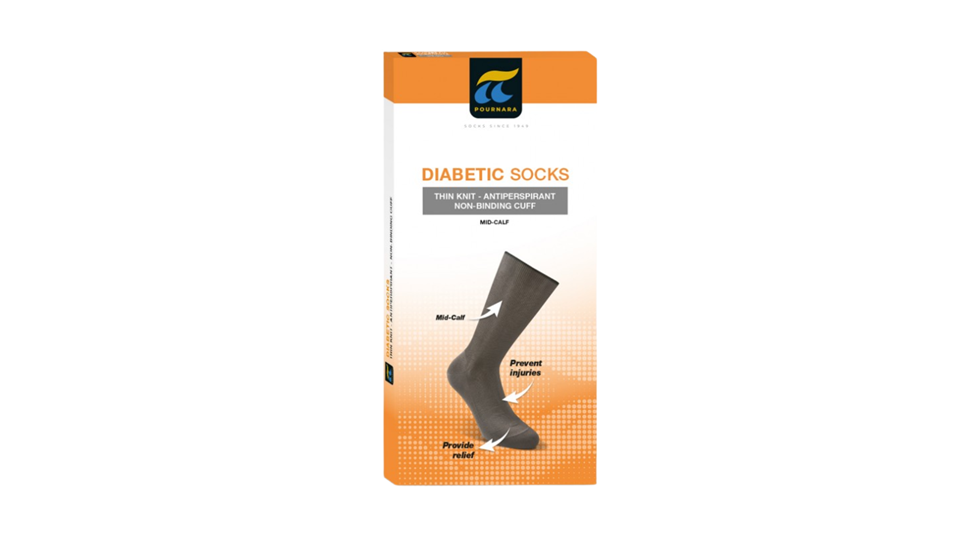
The ART 7200 solves a specific and common problem. Many people who need support socks cannot tolerate the tight cuff that most compression socks use. The non-binding design removes that pressure entirely while still delivering a comfortable, supportive fit around the foot and arch. It is the most comfortable entry point for seniors or anyone new to support socks.
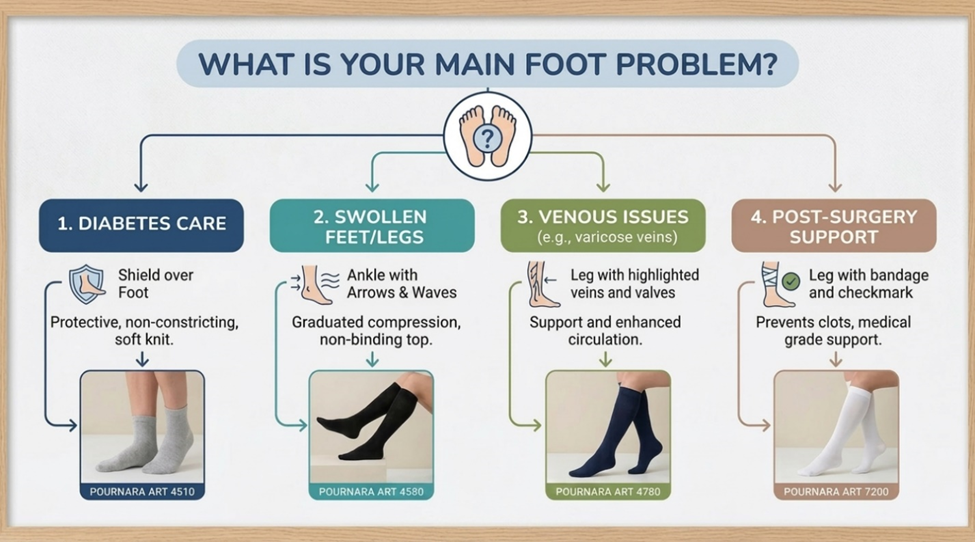
With four distinct options, the right choice depends on your primary concern. This quick guide makes the decision straightforward.
Wearing a compression sock incorrectly reduces its effectiveness and can actually cause discomfort. Follow these steps for the best result.
Compression socks are not suitable for everyone in every situation. Avoid wearing them if you have severe peripheral artery disease, open wounds or active skin infections on your legs, or any condition where your doctor has advised against compression. If you are unsure, consult your healthcare provider before starting daily compression wear.
Good care preserves the compression level and extends the life of the sock. Compression fiber degrades faster than regular sock fiber, so how you wash and store them matters.
Pournara ships its complete range of medical and support socks across Illinois and the entire United States. All orders over $75 qualify for free shipping. Whether you are based in Chicago, Springfield, or anywhere else in Illinois, you can receive Greek-made premium support socks at your door within days.
Pournara’s medical collection represents over 75 years of hosiery expertise from Athens, Greece, now made accessible to customers in Illinois and across the US who want genuine quality without compromise.
| Ready to Find Your Perfect Support Sock? Pournara’s medical collection is crafted in Greece with premium natural fibers. Designed for real foot comfort, lasting wear, and daily relief. Shop Pournara Support Socks Now |
The right support socks can change how your feet feel after a long day at work, on a flight, or managing a chronic condition. They are not a luxury. For many people, they are a simple and effective tool for daily comfort and real pain relief.
When choosing support socks for foot pain, look for graduated compression if circulation and swelling are your main concern, non-binding design if you have sensitive or diabetic feet, bamboo or Egyptian cotton for breathable natural comfort, and knee-high length for maximum benefit during travel or long work shifts.
Pournara’s medical sock collection covers all of these needs with Greek-made quality and natural fiber construction that has stood behind the brand since 1949. Order from Illinois or anywhere in the USA with free shipping on orders over $75.
Support socks are designed to reduce foot pain, improve blood circulation, prevent swelling, and provide all-day comfort. They are particularly helpful for people with plantar fasciitis, varicose veins, swollen ankles, diabetic feet, and for anyone who stands or sits for long periods.
Yes. Graduated compression socks have been shown in multiple studies to improve venous return, reduce swelling, and decrease foot and leg pain. The key is choosing the right compression level and fit for your specific condition.
Compression socks apply graduated pressure measured in mmHg and are designed to improve circulation. Support socks is a broader term that includes compression socks as well as cushioned and non-binding socks designed for general comfort and foot care.
Support socks should feel snug but never painful. For most everyday foot pain and mild swelling, a compression level of 15-20 mmHg is appropriate. If your socks cause numbness, tingling, or color changes in your skin, they are too tight or the wrong size.
Yes. Most support socks are designed for daily use. Compression socks worn during waking hours and removed before sleep are safe for consistent daily wear. Replace them every three to six months as compression effectiveness reduces over time.
Yes. Support socks with arch support and graduated compression reduce strain on the plantar fascia ligament, ease inflammation, and help manage morning stiffness. This makes them one of the most recommended non-invasive tools for plantar fasciitis management.
Pournara offers premium medical and support socks with delivery across Illinois and the entire USA. Orders over $75 ship for free.
With daily use, most compression support socks maintain effective compression for three to six months. After this period, the elastic fiber begins to weaken and the sock loses its therapeutic benefit. Proper care including cold washing and air drying extends lifespan significantly.
People with diabetes should choose non-binding socks rather than standard compression socks. Non-binding socks provide gentle support without the tight cuff that can restrict circulation in those with compromised nerve sensitivity. Pournara’s ART 7200 and ART 4510 are both designed with diabetic foot care in mind.