
Mercerized cotton socks are treated with a sodium hydroxide solution that swells the fibers and changes their structure. This process, invented by John Mercer in 1844, increases tensile strength by approximately 12% compared to untreated cotton. The treatment creates a silky sheen, improves dye retention, and reduces shrinkage. Mercerized cotton fibers absorb color more efficiently, resulting in vibrant hues that resist fading through multiple washes. The refined structure also eliminates surface lint and creates a smoother texture against skin.
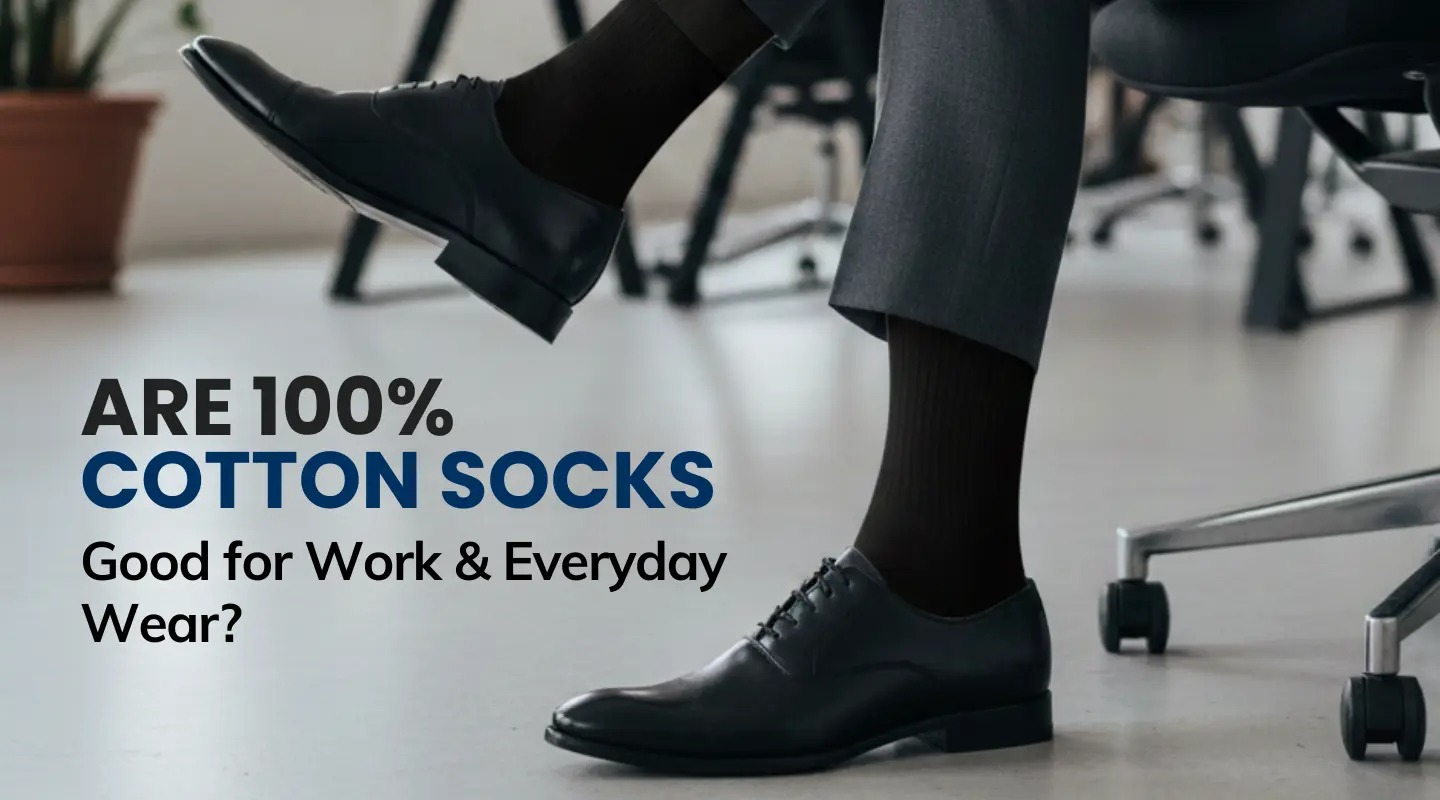
Natural cotton socks offer hypoallergenic properties ideal for sensitive skin, eczema, or dermatitis. The fibers provide superior breathability through their porous structure, allowing air circulation that prevents overheating. Cotton absorbs up to 27 times its weight in moisture, keeping feet dry during low-intensity activities. The soft texture reduces friction between skin and shoes, minimizing blister formation. Cotton is a natural, biodegradable material free from synthetic chemicals that can cause skin reactions. These socks work well for daily office wear, casual activities, and lounging at home.
Pure cotton lacks elasticity, causing socks to sag around ankles and lose shape after wearing. The fibers don’t wick moisture away from skin, instead trapping sweat directly against feet during intense activity. Once saturated, cotton takes extended time to dry, creating a damp environment that increases blister and fungal infection risk. Athletes and individuals with chronically sweaty feet find 100% cotton unsuitable for workouts or long active days. The material also wears through quickly at heels and toes without synthetic reinforcement. Most manufacturers add 1-2% elastane to prevent sagging while maintaining cotton’s natural benefits.
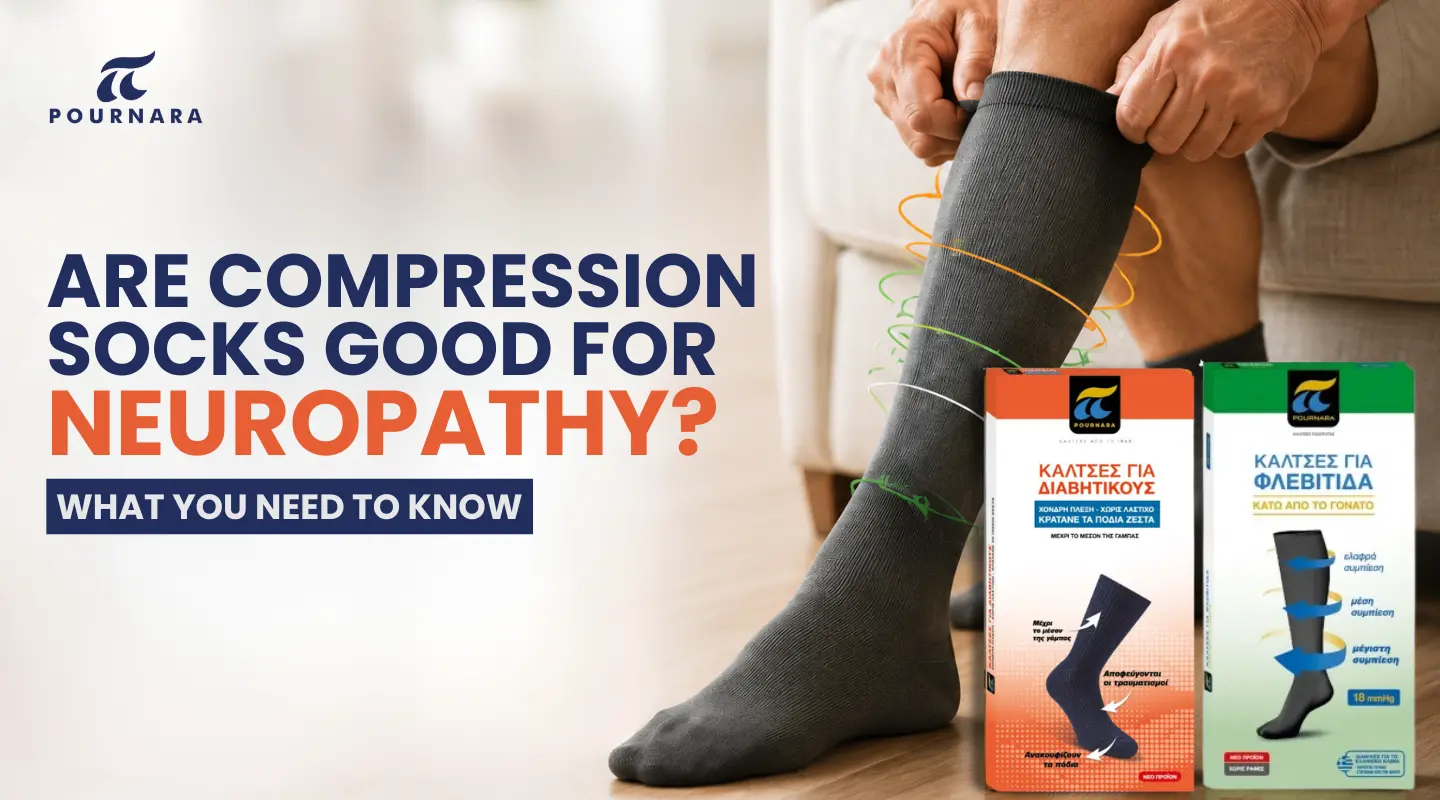
Medical professionals recommend cotton socks for daily wear due to their gentle, non-allergenic properties. The natural fibers reduce irritation for patients with sensitive skin conditions. Cotton’s breathability prevents feet from overheating, a common issue with synthetic materials that can worsen circulation problems. For individuals with diabetes or circulatory concerns, non-binding cotton socks with loose tops prevent blood flow restriction. The soft texture minimizes friction that can cause sores on vulnerable skin. Doctors note that while cotton absorbs moisture, its breathability keeps feet comfortable during typical daily activities.
Cotton socks fail for chronically sweaty feet because they absorb moisture but don’t transfer it away from skin. The fibers trap sweat directly against feet, creating a damp environment conducive to blisters and athlete’s foot. Once wet, cotton takes hours to dry, keeping feet in an uncomfortable state throughout the day. The material also loses shape when saturated, leading to bunching inside shoes. For heavy sweating, merino wool provides better moisture management by absorbing liquid into fiber cores while keeping surfaces dry. Performance synthetics and bamboo blends offer superior wicking properties for active individuals.
Cotton socks designed with non-binding tops avoid constricting blood flow around calves and ankles. The natural breathability regulates foot temperature, preventing vessel stress from overheating. Many quality cotton socks feature seamless toe construction that eliminates rubbing against sensitive skin. The inherent softness of cotton fibers acts as a cushion, reducing chafing that leads to blisters and sore spots. For individuals with swelling or circulatory issues, looser cotton sock designs accommodate changing foot size throughout the day. Organic cotton options free from chemical treatments provide additional benefits for allergy-prone individuals.
Pure cotton socks contain only natural cellulose fibers from cotton plants, with no polyester, nylon, or excess spandex. The hypoallergenic nature makes them suitable for people with skin sensitivities and allergies. Cotton’s porous fiber structure allows air circulation that keeps feet cool in warm weather and prevents fungal infections by maintaining a dry environment. The material absorbs moisture during low-intensity activities, providing comfort for office work and casual wear. However, cotton’s inability to wick sweat makes it unsuitable for athletics or high-intensity exercise where feet perspire heavily.
The most durable socks combine merino wool with high-grade nylon, featuring reinforced heels and toes. Brands like Darn Tough use fine-gauge merino wool with dense knitting (168 needles or higher) and offer lifetime guarantees. BlueGuard socks withstand over 925,000 abrasion cycles in laboratory testing. Key durability factors include high-needle count construction, double-stitched stress points, and synthetic fiber blends that add strength to natural materials. Work-specific and hiking socks designed for repetitive use demonstrate superior longevity compared to everyday cotton styles. Premium construction with quality materials outlasts budget options by years.
Pure cotton socks are rare because the fiber lacks stretch, causing immediate shape loss and ankle sagging. Manufacturers add elastane or spandex to cuffs and bodies to keep socks securely positioned on legs. Cotton’s moisture retention properties leave feet damp and uncomfortable compared to synthetic blends that wick sweat. Production costs favor synthetic fibers like polyester and nylon, which are cheaper and more durable. Even socks labeled “100% cotton” often contain hidden elastic in cuffs for fit. Experts recommend high-cotton blends like 98% cotton with 1% nylon and 1% elastane for better comfort and longevity. At Pournara, our socks use premium mercerized cotton treated for enhanced strength, luster, and color retention. Since 1949, we’ve combined Greek craftsmanship with 220-needle construction to create socks that offer cotton’s natural benefits with superior durability. Our process ensures each pair maintains its shape and comfort through years of wear.
Pournara
We firmly believe that the internet should be available and accessible to anyone, and are committed to providing a website that is accessible to the widest possible audience, regardless of circumstance and ability.
To fulfill this, we aim to adhere as strictly as possible to the World Wide Web Consortium’s (W3C) Web Content Accessibility Guidelines 2.1 (WCAG 2.1) at the AA level. These guidelines explain how to make web content accessible to people with a wide array of disabilities. Complying with those guidelines helps us ensure that the website is accessible to all people: blind people, people with motor impairments, visual impairment, cognitive disabilities, and more.
This website utilizes various technologies that are meant to make it as accessible as possible at all times. We utilize an accessibility interface that allows persons with specific disabilities to adjust the website’s UI (user interface) and design it to their personal needs.
Additionally, the website utilizes an AI-based application that runs in the background and optimizes its accessibility level constantly. This application remediates the website’s HTML, adapts Its functionality and behavior for screen-readers used by the blind users, and for keyboard functions used by individuals with motor impairments.
If you’ve found a malfunction or have ideas for improvement, we’ll be happy to hear from you. You can reach out to the website’s operators by using the following email
Our website implements the ARIA attributes (Accessible Rich Internet Applications) technique, alongside various different behavioral changes, to ensure blind users visiting with screen-readers are able to read, comprehend, and enjoy the website’s functions. As soon as a user with a screen-reader enters your site, they immediately receive a prompt to enter the Screen-Reader Profile so they can browse and operate your site effectively. Here’s how our website covers some of the most important screen-reader requirements, alongside console screenshots of code examples:
Screen-reader optimization: we run a background process that learns the website’s components from top to bottom, to ensure ongoing compliance even when updating the website. In this process, we provide screen-readers with meaningful data using the ARIA set of attributes. For example, we provide accurate form labels; descriptions for actionable icons (social media icons, search icons, cart icons, etc.); validation guidance for form inputs; element roles such as buttons, menus, modal dialogues (popups), and others. Additionally, the background process scans all the website’s images and provides an accurate and meaningful image-object-recognition-based description as an ALT (alternate text) tag for images that are not described. It will also extract texts that are embedded within the image, using an OCR (optical character recognition) technology. To turn on screen-reader adjustments at any time, users need only to press the Alt+1 keyboard combination. Screen-reader users also get automatic announcements to turn the Screen-reader mode on as soon as they enter the website.
These adjustments are compatible with all popular screen readers, including JAWS and NVDA.
Keyboard navigation optimization: The background process also adjusts the website’s HTML, and adds various behaviors using JavaScript code to make the website operable by the keyboard. This includes the ability to navigate the website using the Tab and Shift+Tab keys, operate dropdowns with the arrow keys, close them with Esc, trigger buttons and links using the Enter key, navigate between radio and checkbox elements using the arrow keys, and fill them in with the Spacebar or Enter key.Additionally, keyboard users will find quick-navigation and content-skip menus, available at any time by clicking Alt+1, or as the first elements of the site while navigating with the keyboard. The background process also handles triggered popups by moving the keyboard focus towards them as soon as they appear, and not allow the focus drift outside it.
Users can also use shortcuts such as “M” (menus), “H” (headings), “F” (forms), “B” (buttons), and “G” (graphics) to jump to specific elements.
We aim to support the widest array of browsers and assistive technologies as possible, so our users can choose the best fitting tools for them, with as few limitations as possible. Therefore, we have worked very hard to be able to support all major systems that comprise over 95% of the user market share including Google Chrome, Mozilla Firefox, Apple Safari, Opera and Microsoft Edge, JAWS and NVDA (screen readers).
Despite our very best efforts to allow anybody to adjust the website to their needs. There may still be pages or sections that are not fully accessible, are in the process of becoming accessible, or are lacking an adequate technological solution to make them accessible. Still, we are continually improving our accessibility, adding, updating and improving its options and features, and developing and adopting new technologies. All this is meant to reach the optimal level of accessibility, following technological advancements. For any assistance, please reach out to